Japanese Culture
Yanagiu Washi | Four Centuries of Papermaking in Sendai
From Date Masamune’s encouragement to one workshop carrying on the craft: explore the water, handwork and everyday culture behind Yanagiu washi in Sendai.
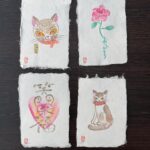
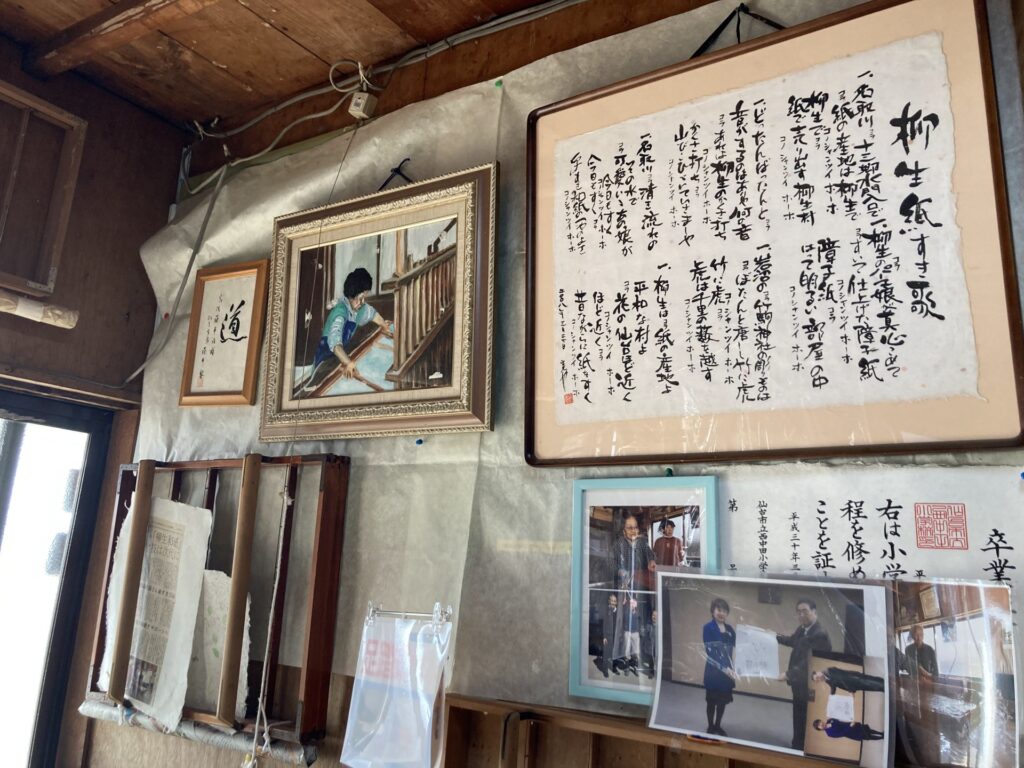
Tools in a Sendai workshop, hands working with paper, and a small illustrated postcard: following Yanagiu washi reveals the landscape and human activity behind a sheet of paper.
Our brand page introduces postcards and pochi-bukuro gift envelopes. Here, we explore the history and culture of the paper itself.
Papermaking Encouraged by Date Masamune
Yanagiu is an area in what is now Taihaku Ward, Sendai. Sendai Mediatheque’s exhibition notes explain that, during the Keicho era, Date Masamune invited four papermakers from Moniwa in the Date district of Fukushima to teach their skills and encourage production in Yanagiu. Developing an industry beyond rice farming was part of the purpose.
The paper subsequently served the Sendai domain in official documents, sliding-door paper and gifts presented to others. Paper supported both written records and domestic life. Around four centuries of papermaking are also a history of the uses that kept it in demand.
A Place Shaped by Water and Wind
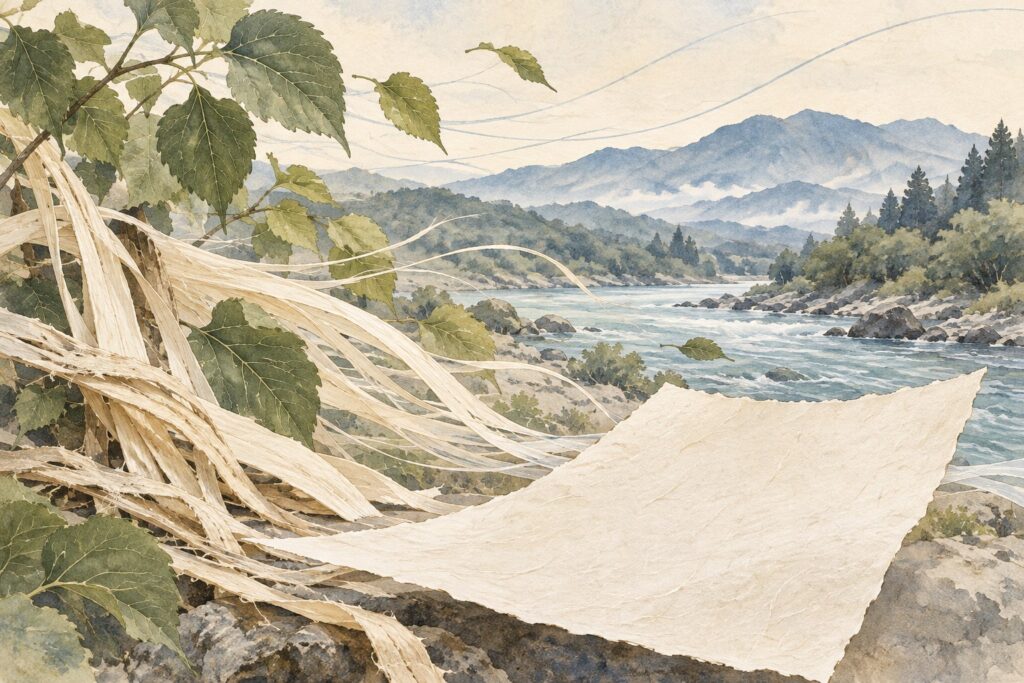
Materials and skill matter, but so does place. The workshop’s official account identifies abundant groundwater and dry winds blowing down from the mountains as conditions that suited handmade papermaking in Yanagiu.
Fibres are handled in water, and formed sheets must be dried. Water and wind were working conditions as well as elements of the landscape. Looking at the workshop’s tools offers a way to think about the place that supported the craft.
From Kozo Fibres to a Sheet of Washi
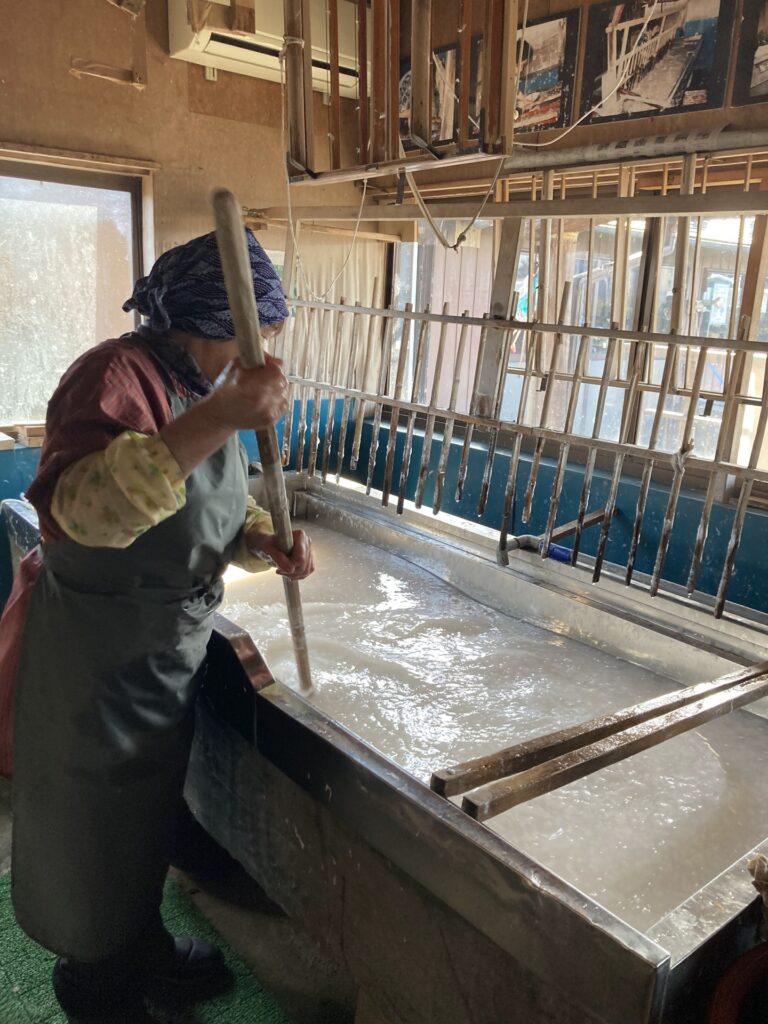
The workshop describes using fibres from kozo, or paper-mulberry bark, together with liquid obtained from tororo-aoi roots. Natural materials, handwork and inherited tools remain central to its production of thin, strong paper.
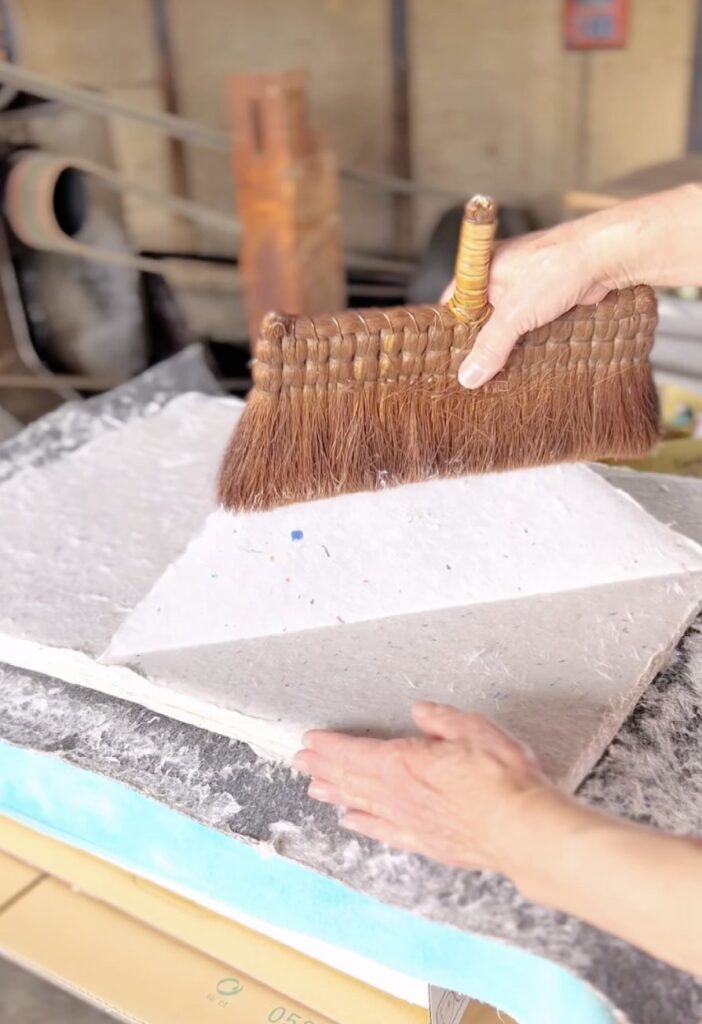
Forming paper by hand means gathering fibres from water into a sheet, rather than simply cutting an existing piece of paper. The supplied photographs of tools and hands offer a close view of work behind the finished material.
Visible fibres and variations along the edges are part of the pleasure of looking at washi. Texture alone does not tell us how every product should be used: processing and intended use can differ, so each product’s guidance matters.
Paper for Writing, Wrapping and Everyday Use
The history of Yanagiu washi also includes ways of adapting paper to everyday purposes. The regional craft website Tetotetote introduces kyoseishi, a processed paper associated with Yanagiu that involves treatment with konnyaku. It is one example of how working the material extended its uses.
This does not mean the postcards and pochi-bukuro introduced at Soi YIPUN are kyoseishi. Distinguishing the base paper from particular treatments helps us understand the craft without attributing every historical property to every contemporary product.
One Workshop, and the People Who Keep Learning
The workshop’s official account describes more than 400 papermaking households in Yanagiu and the surrounding area at the industry’s height. Today, one workshop remains to carry on this local craft. This is a count of workshops, not a claim that only one individual practises the skill.
Transmission also takes place outside the workshop. A Shogen Community Center report describes a January 2026 papermaking session led by the Yanagiu Washi Project, in which primary-school children learned about materials and made paper. Trying the work offers another way for a new generation to understand its value.
A tradition continues through skilled making, but also through people who use the paper and take an interest in how it is made.
Discover Sendai’s Handmade Paper in Bangkok
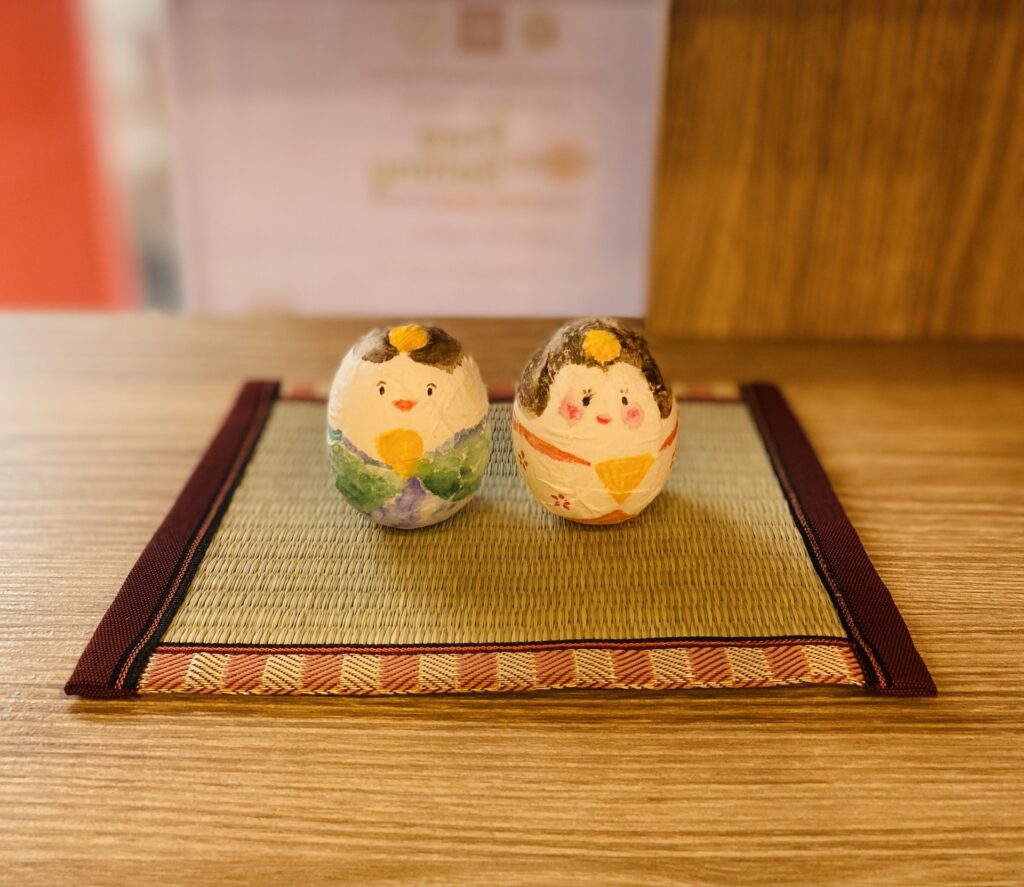
The Sendai Yanagiu washi products introduced at Soi YIPUN include four illustrated postcard designs and pochi-bukuro gift envelopes. Each postcard carries an individually painted original rather than a printed image, with illustrations by Kotori of Kotori Shoten.
A postcard on display or a small gift of thanks in an envelope can be a modest way to enjoy the material. Knowing something of the place and work behind it adds another dimension to the choice.
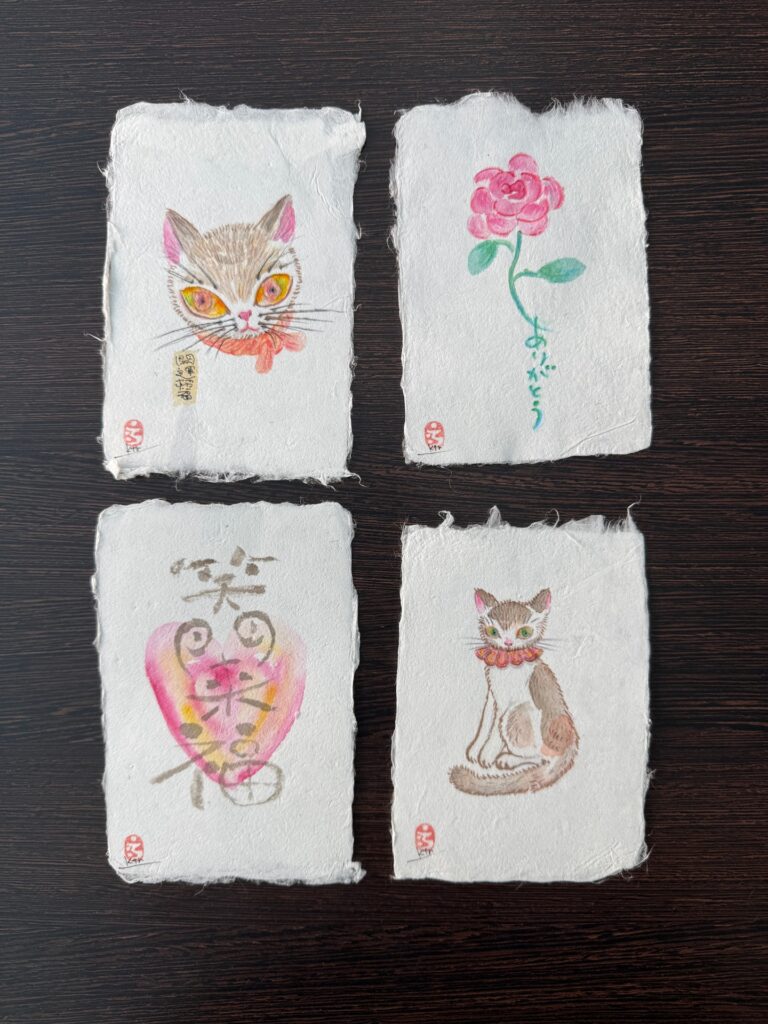
Explore the photographs and products on our Sendai Yanagiu Handmade Washi brand page. From the history of a craft to a sheet used today, Soi YIPUN introduces a small connection between Sendai and Bangkok.
Related content
Featured brands